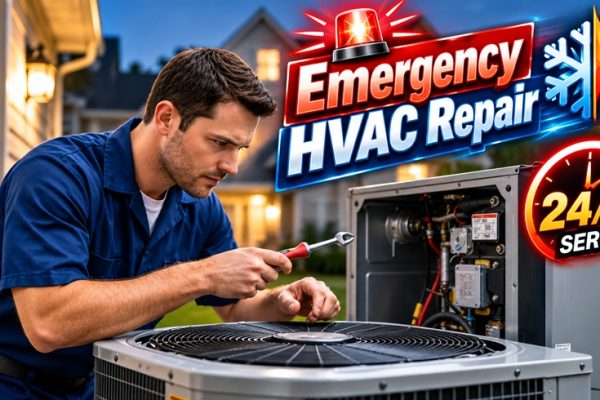
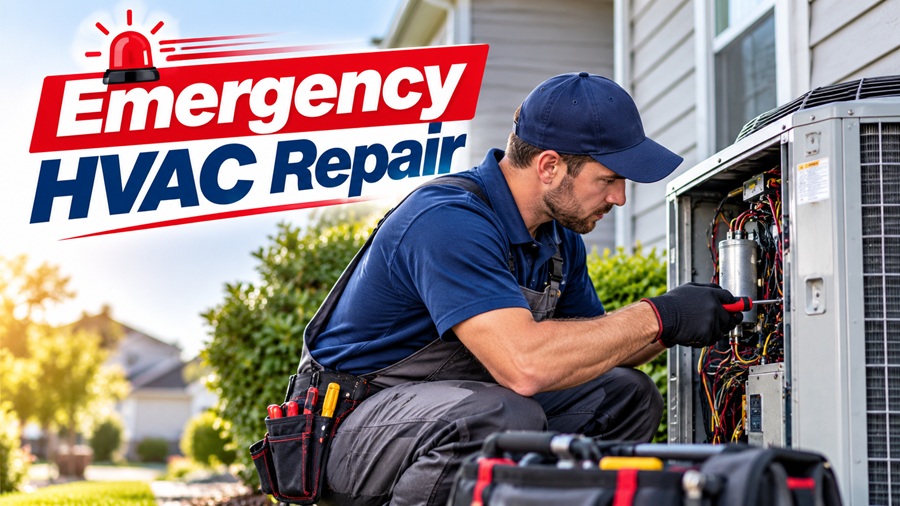
Emergency HVAC repair is needed when a heating or cooling system fails in a way that creates an immediate safety concern, threatens vulnerable occupants, or makes a building dangerously hot or cold. Not every loss of comfort requires an emergency call, but suspected gas leaks, carbon monoxide alarms, electrical burning smells, smoke, or severe overheating should be treated seriously. The first step is to protect people, then perform only simple checks that can be completed safely before contacting a qualified technician.
HVAC stands for heating, ventilation, and air conditioning. Emergency repair services respond to urgent failures involving furnaces, boilers, heat pumps, air conditioners, ventilation equipment, thermostats, and related controls. Response time, after-hours charges, service coverage, and repair capability vary by provider, so customers should explain the symptoms clearly and confirm the call-out terms before authorising work.
At a glance
| Topic | Key point |
| First priority | Protect people and address immediate hazards |
| Basic checks | Only perform simple, safe checks |
| Dispatch | Describe symptoms and confirm charges |
| Repair decision | Request a clear diagnosis and written estimate |
Decide whether the situation is urgent
A complete breakdown during extreme heat or cold can become a health risk, especially for infants, older adults, people with relevant medical vulnerabilities, or occupants who cannot easily relocate. A failed system in a mild season may be inconvenient but not immediately dangerous. Consider indoor temperature, outside conditions, who is in the building, and whether a safe alternative space is available.
Treat signs of combustion or electrical trouble as urgent. If a carbon monoxide alarm sounds, people experience unexplained dizziness or confusion, or there is a suspected gas leak, leave the area and contact the appropriate emergency service or utility from a safe location. Do not stay inside troubleshooting equipment or operate switches where a gas leak is suspected.
Safe checks before calling
If there are no danger signs, check the thermostat setting, batteries if applicable, and whether the system is set to the correct mode. Look at the electrical panel only if it is safe to do so and there is no evidence of burning or water exposure. A tripped breaker may indicate a fault; do not repeatedly reset it if it trips again.
Check whether a filter is severely clogged and whether supply or return vents are blocked. Some systems stop operating because of airflow restrictions or a full condensate drain pan. Follow the owner’s manual and avoid removing panels or touching internal wiring. If a check requires tools, exposes live components, or involves gas, refrigerant, or combustion equipment, leave it to a technician.
What information the dispatcher needs
Describe the type of system, the problem, when it started, and whether it is completely off or running without producing heating or cooling. Mention unusual sounds, odours, water leaks, ice on refrigerant lines, repeated breaker trips, alarm messages, or error codes. Specific observations help the dispatcher assess urgency and send a technician with appropriate equipment.
Tell the provider about access restrictions, pets, parking, the building’s location, and any vulnerable occupants affected by the outage. Ask for the estimated arrival window, after-hours fees, diagnostic charges, and whether the technician can handle the system type. Avoid assuming that a general HVAC service covers every boiler, heat pump, or specialised control system.
What happens during an emergency visit
A technician should begin by confirming the reported symptoms and checking the system safely. Depending on the equipment, diagnosis may involve electrical measurements, airflow checks, control testing, combustion analysis, refrigerant-system assessment, or inspection of condensate drainage. The aim is to identify the fault rather than replace parts based on a guess.
Ask the technician to explain the likely cause, what tests support the diagnosis, and which repair options are available. In some emergencies, a temporary measure may restore safe operation while a part is ordered. The technician should explain any limitations and whether continued use is safe until the permanent repair is completed.
Common heating failures
Heating systems can fail because of thermostat or control problems, restricted airflow, ignition faults, failed sensors, circulation issues, or electrical components. Boilers and furnaces have different operating principles, so symptoms that look similar can have different causes. Repeated ignition attempts or unexplained shutdowns should not be bypassed.
If the system uses fuel combustion, do not alter gas valves, burner assemblies, flue connections, or safety interlocks. A blocked or damaged vent can create a serious hazard. Shut the equipment down and seek qualified service if there is soot, unusual combustion odour, visible damage, or a carbon monoxide concern.
Common air-conditioning failures
An air conditioner may run without cooling because of airflow restriction, a dirty coil, a control fault, a refrigerant problem, or a compressor-related issue. Ice on a coil or refrigerant line can indicate an airflow or refrigeration fault. Turn the system off as instructed in the manual and contact a technician rather than trying to chip away ice or add refrigerant yourself.
Water around an indoor unit may be caused by a blocked condensate drain, damaged drain pan, or installation issue. Protect nearby belongings and avoid operating equipment where water may contact electrical components. A technician can determine whether the immediate problem is drainage, cooling performance, or both.
Emergency fees and repair estimates
Emergency service can cost more than a scheduled appointment because of after-hours staffing, travel, diagnostic work, and the need to respond quickly. The total also depends on the failed component, system age, accessibility, and whether parts are available. Ask for the call-out charge and diagnostic fee before the visit, then request an estimate before approving non-urgent additional work.
A written estimate should separate labour, parts, any after-hours premium, and taxes where applicable. If the repair requires a special-order part, ask about the expected timeline and whether the system can be left safely off. Compare repair cost with the system’s condition and likely future reliability, not just with the price of a new unit.
Repair or replace under pressure
An emergency is not always the right time to make a rushed replacement decision. A failed inexpensive component on a relatively new system may justify repair, while repeated breakdowns, severe corrosion, obsolete refrigerant requirements, or a major component failure can make replacement worth considering. Request the technician’s reasoning and ask what other issues were found.
If temporary heating or cooling is needed while comparing options, ask what safe interim measures are available. Never use an outdoor grill, generator, or fuel-burning device indoors to warm a room. Portable heaters and fans must be used according to their safety instructions and kept away from combustible materials.
Preparing the property for the technician
Clear access to the indoor unit, outdoor condenser, thermostat, electrical panel, and mechanical room. Secure pets and note any areas with water or visible damage. If the system is in a locked roof space or restricted commercial area, arrange access before the appointment to avoid delays.
Gather the equipment model and serial numbers if they are easily accessible, along with service records, warranty information, and any error messages. You do not need to dismantle the system to find these details. A brief timeline of the problem can be more useful than a long list of guesses about the cause.
Choosing an emergency provider
Confirm that the provider services your equipment type and area, can explain its after-hours pricing, and has appropriately qualified technicians. Ask whether diagnostic fees are credited toward the repair and whether parts and labour carry separate warranties. Reviews can provide context, but verify the specific terms that matter for the current call.
Be cautious of pressure to approve a full replacement before the fault is explained. A legitimate emergency provider should prioritise safety, describe the evidence behind its recommendation, and provide a clear scope of work. If a major decision is not immediately necessary, ask whether the system can remain safely off while you obtain another opinion.
Preventing repeat emergencies
Routine maintenance can catch restricted filters, drainage issues, worn electrical components, and developing performance problems before they become urgent. Follow the equipment manufacturer’s schedule and use qualified service for tasks that require specialist tools or safety testing. Keep outdoor units clear of debris without bending fins or blocking airflow.
Pay attention to new noises, changing energy use, uneven temperatures, repeated short cycling, and water near equipment. These signs do not identify a specific fault, but they justify timely investigation. A written service history helps technicians see whether a problem is recurring or related to earlier work.
What tenants and property managers should do
Tenants should follow the lease or local process for reporting urgent heating or cooling failures, while avoiding repairs that they are not authorised or qualified to perform. Provide clear information about the temperature, affected rooms, and any safety symptoms. If an immediate hazard exists, protect occupants first and contact the appropriate emergency service.
Property managers should maintain current contractor contacts, equipment records, access arrangements, and escalation procedures. In multi-unit buildings, a single failure may affect multiple occupants or shared ventilation. Document the response, repair decision, and any temporary measures so follow-up work is not lost after the immediate crisis passes.
Frequently asked questions
Should I turn off a malfunctioning HVAC system? If there are burning smells, smoke, water near electrical parts, suspected gas or carbon monoxide issues, or repeated electrical trips, prioritise safety and seek appropriate help. Follow emergency guidance for suspected gas or carbon monoxide exposure.
Can an HVAC technician arrive immediately? Availability depends on location, workload, weather, and the equipment involved. Ask for a realistic arrival window rather than assuming instant service.
Is emergency repair more expensive? It often carries additional call-out or after-hours fees, but exact charges vary by provider and repair.
Can I keep using a system that makes unusual noises? Stop using it if there are signs of danger or the manual advises shutdown, and get the problem assessed.
Practical checklist
- Treat gas, carbon monoxide, smoke, and electrical hazards seriously.
- Perform only basic checks that are safe.
- Record error codes and symptoms without dismantling equipment.
- Confirm call-out fees and diagnostic charges.
- Request a clear explanation before approving major work.